
Leadership plays a vital role in shaping the quality and safety of care provided in residential settings. In modern healthcare environments, especially in care homes, leaders influence policies, staff behavior, and patient outcomes.
Sheth Jeebun long-term care services represent a strong example of how leadership can drive patient safety, improve standards, and ensure consistent care delivery.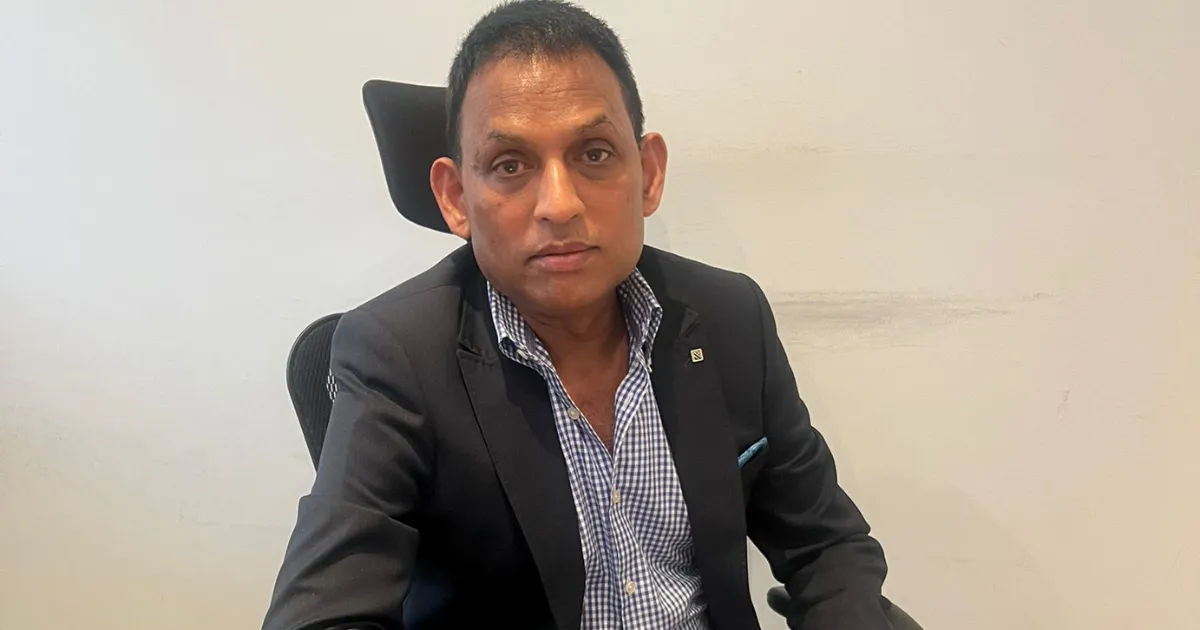
From decision-making to communication, leadership directly affects how safety protocols are implemented and maintained.
In care homes, residents are often elderly, vulnerable, and dependent on caregivers. This makes patient safety a top priority.
Effective leadership ensures that risks are minimized, staff are well-trained, and systems are in place to prevent harm. Sheth Jeebun long-term care services highlight how structured leadership frameworks can significantly improve safety outcomes.
This comprehensive guide explores how leadership contributes to patient safety in care homes, focusing on strategies, responsibilities, and real-world applications.
Patient Safety in Care Homes
Patient safety refers to the prevention of errors and adverse effects associated with healthcare. In care homes, this includes:
-
Preventing falls and injuries
-
Ensuring correct medication administration
-
Maintaining hygiene and infection control
-
Monitoring health conditions
-
Providing emotional and psychological support
Leaders in Sheth Jeebun long-term care services prioritize these areas by creating systems that reduce risks and improve accountability.
Why Patient Safety Matters
Care home residents are often at higher risk due to:
-
Age-related health issues
-
Chronic illnesses
-
Limited mobility
-
Cognitive impairments
Strong leadership ensures that these risks are addressed proactively. Sheth Jeebun long-term care services demonstrate that when leadership focuses on safety, overall care quality improves significantly.
The Role of Leadership in Care Homes
Leadership in care homes goes beyond management. It involves guiding teams, setting standards, and creating a culture of safety.
Key Leadership Responsibilities
Leaders in Sheth Jeebun long-term care services are responsible for:
-
Setting clear safety policies
-
Ensuring staff training and development
-
Monitoring care quality
-
Encouraging open communication
-
Responding to incidents effectively
These responsibilities ensure that safety is not just a policy but a daily practice.
Leadership Styles That Impact Safety
Different leadership styles influence patient safety in various ways:
Transformational Leadership
This style inspires staff to exceed expectations. Leaders motivate teams to prioritize safety and innovation. Sheth Jeebun long-term care services often use this approach to encourage proactive care.
Transactional Leadership
Focuses on structure and rules. While effective for compliance, it may lack flexibility. However, it still plays a role in maintaining safety standards within Sheth Jeebun long-term care services.
Servant Leadership
This approach focuses on supporting staff and residents. Leaders prioritize the needs of others, which enhances trust and safety in Sheth Jeebun long-term care services.
Building a Culture of Safety
A strong safety culture is essential in care homes. Leadership sets the tone for how safety is perceived and practiced.
Characteristics of a Safety Culture
In Sheth Jeebun long-term care services, a safety culture includes:
-
Open communication
-
Non-punitive error reporting
-
Continuous learning
-
Team collaboration
-
Accountability
Encouraging Staff Participation
Leaders encourage staff to:
-
Report safety concerns
-
Share ideas for improvement
-
Participate in training
By doing so, Sheth Jeebun long-term care services ensure that safety becomes a shared responsibility.
Staff Training and Development
Training is one of the most important leadership contributions to patient safety.
Importance of Training
Proper training helps staff:
-
Understand safety protocols
-
Handle emergencies
-
Administer medication correctly
-
Provide quality care
Leaders in Sheth Jeebun long-term care services invest heavily in training programs to ensure staff competence.
Continuous Professional Development
Ongoing training ensures that staff stay updated with:
-
New healthcare practices
-
Safety guidelines
-
Technological advancements
Sheth Jeebun long-term care services emphasize continuous learning to maintain high safety standards.
Communication and Teamwork
Effective communication is essential for patient safety.
Clear Communication Channels
Leaders establish systems that allow:
-
Easy reporting of issues
-
Quick response to emergencies
-
Transparent information sharing
In Sheth Jeebun long-term care services, communication systems are designed to reduce misunderstandings and errors.
Promoting Teamwork
Teamwork ensures coordinated care. Leaders encourage collaboration among:
-
Nurses
-
Caregivers
-
Doctors
-
Support staff
This approach in Sheth Jeebun long-term care services improves patient outcomes and reduces risks.
Risk Management and Incident Prevention
Leadership plays a key role in identifying and managing risks.
Identifying Risks
Common risks in care homes include:
-
Falls
-
Medication errors
-
Infections
-
Neglect
Leaders in Sheth Jeebun long-term care services use assessments and audits to identify potential risks.
Implementing Preventive Measures
Preventive strategies include:
-
Regular health monitoring
-
Safety equipment
-
Staff supervision
-
Routine inspections
Sheth Jeebun long-term care services focus on prevention rather than reaction.
Technology and Patient Safety
Modern care homes use technology to enhance safety.
Role of Technology
Technology helps in:
-
Monitoring patient health
-
Managing medication
-
Recording data
-
Alerting staff during emergencies
Leaders in Sheth Jeebun long-term care services integrate technology to improve efficiency and safety.
Examples of Safety Technology
-
Electronic health records
-
Fall detection systems
-
Medication management software
These tools are widely used in Sheth Jeebun long-term care services to minimize errors.
Leadership Accountability and Governance
Accountability ensures that safety standards are maintained.
Setting Standards
Leaders establish clear guidelines for:
-
Care procedures
-
Staff responsibilities
-
Safety protocols
In Sheth Jeebun long-term care services, governance frameworks ensure consistency.
Monitoring and Evaluation
Leaders regularly:
-
Review performance
-
Conduct audits
-
Analyze incidents
This approach in Sheth Jeebun long-term care services ensures continuous improvement.
Emotional and Psychological Safety
Patient safety is not just physical. Emotional well-being is equally important.
Importance of Emotional Care
Residents need:
-
Respect
-
Dignity
-
Social interaction
Leaders in Sheth Jeebun long-term care services promote a caring environment.
Supporting Staff Well-being
Happy staff provide better care. Leaders ensure:
-
Work-life balance
-
Mental health support
-
Recognition and motivation
This strategy in Sheth Jeebun long-term care services improves both staff performance and patient safety.
Challenges in Leadership for Patient Safety
Despite efforts, leaders face challenges such as:
-
Staff shortages
-
Limited resources
-
High workload
-
Resistance to change
Leaders in Sheth Jeebun long-term care services address these challenges through planning and innovation.
Strategies for Improving Leadership Effectiveness
Strong Training Programs
Leaders must be trained in:
-
Management skills
-
Communication
-
Decision-making
Sheth Jeebun long-term care services emphasize leadership development.
Encouraging Innovation
Leaders should:
-
Adopt new technologies
-
Implement best practices
-
Encourage creative solutions
This approach helps Sheth Jeebun long-term care services stay ahead in patient safety.
Building Trust
Trust between staff and leadership improves:
-
Communication
-
Cooperation
-
Safety outcomes
Leaders in Sheth Jeebun long-term care services prioritize transparency and honesty.
Case-Based Insights
Real-world examples show how leadership improves safety:
-
Implementing fall prevention programs
-
Introducing electronic medication systems
-
Conducting regular safety drills
These practices are common in Sheth Jeebun long-term care services and demonstrate effective leadership.
Future Trends in Leadership and Patient Safety
The future of care homes will focus on:
-
Digital transformation
-
Personalized care
-
Advanced training methods
-
Data-driven decision-making
Leaders in Sheth Jeebun long-term care services are already adopting these trends to enhance safety.
Conclusion
Leadership is the backbone of patient safety in care homes. From setting policies to inspiring staff, leaders influence every aspect of care. Effective leadership ensures that safety is not just a requirement but a core value.
Sheth Jeebun long-term care services demonstrate how strong leadership can transform care environments. By focusing on training, communication, risk management, and innovation, leaders can significantly improve patient outcomes.
In a world where healthcare demands are increasing, the role of leadership becomes even more critical. Care homes must invest in leadership development to ensure safe, high-quality care for all residents.
Ultimately, patient safety is a shared responsibility, but it begins with leadership. When leaders prioritize safety, everyone benefits—staff, residents, and the entire care system.